Activity Three connects with the Key Idea component:
“The skill and disposition needed to analyse and understand the philosophical, moral, political and aesthetic bases on which many texts are built” (ACARA, 2019).
This can be related to the Year 9 English Content Descriptor:
ACELA1560:
” Analyse and explain the use of symbols, icons and myth in still and moving images and how these augment meaning ” (ACARA, 2019).
Through this activity, students will explore the use of images, icons and myth used in still and moving pictures connected with Australian Identity within Australian poetry and how they create meaning within the texts.
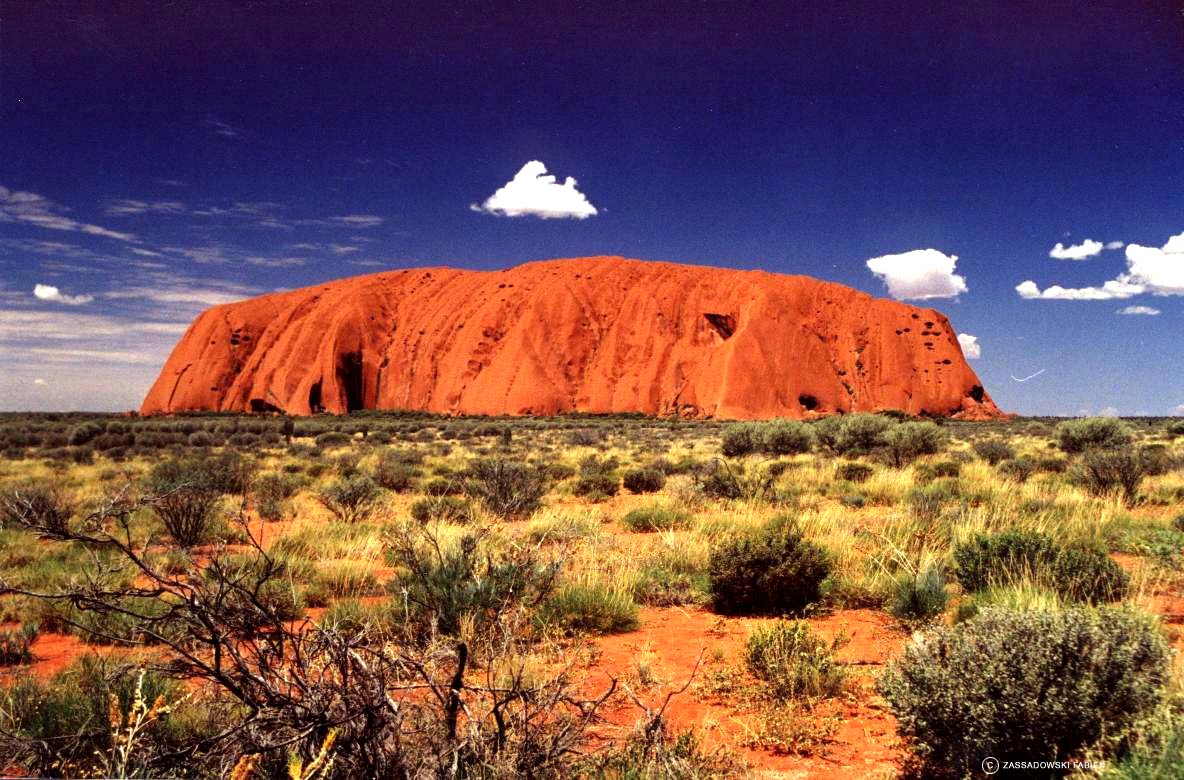
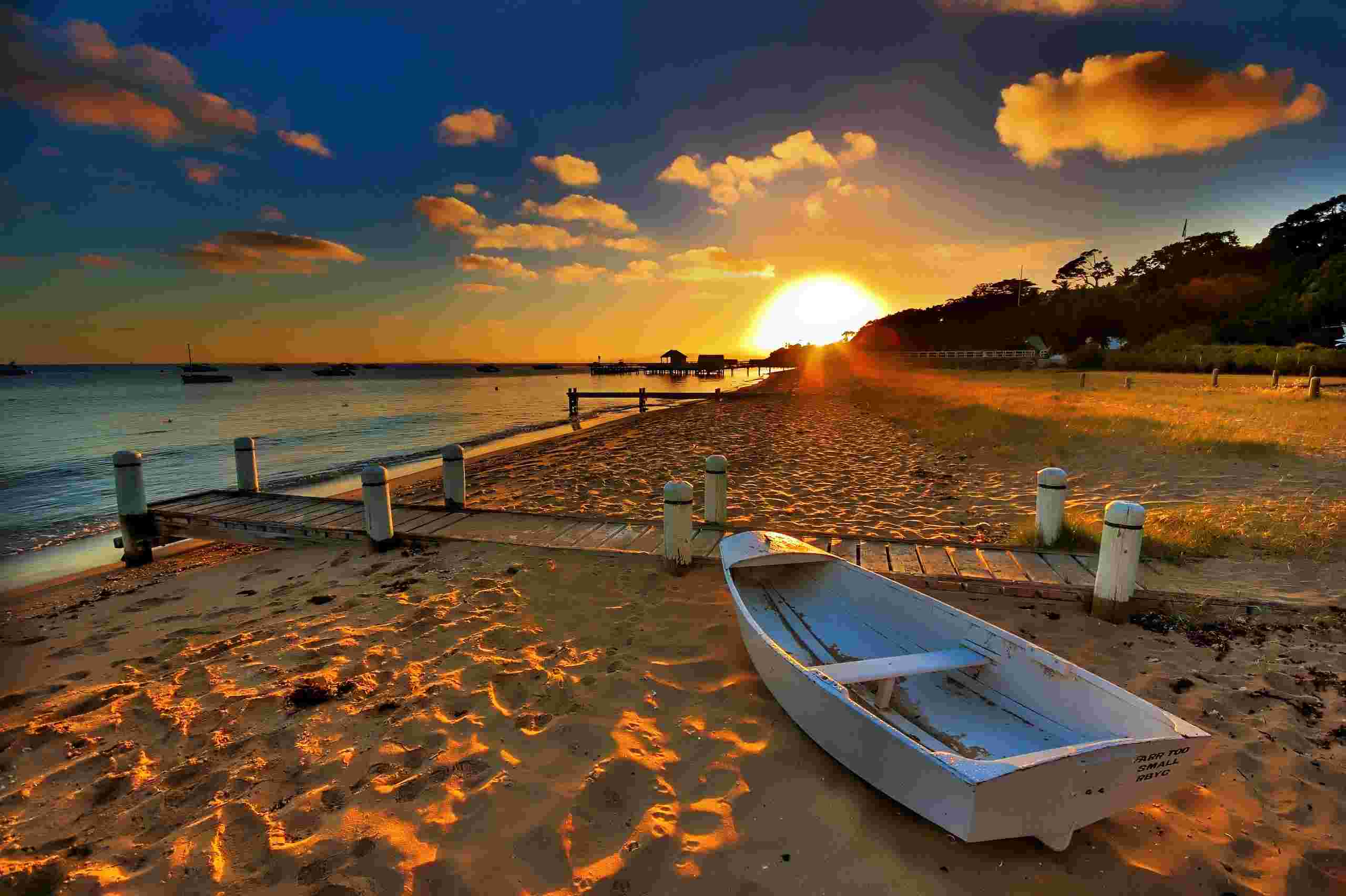
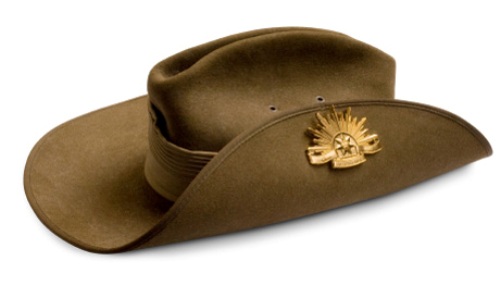
To begin the activity, the students are to create a collage of what they believe are “Australian Images”.
Have 4 tables set up with large sheets of cardboard, magazines, scissors and glue.
Students are to work in small groups to create a collage of images and words that come to mind when they think “Australia” or “Australian Images”. They may also look for images on the internet to print and include in their collages. Examples of some images that may be used:

http://www.wikitree.com/blog/wp-content/uploads/2014/05/anzacs-logo-300×221.jpg
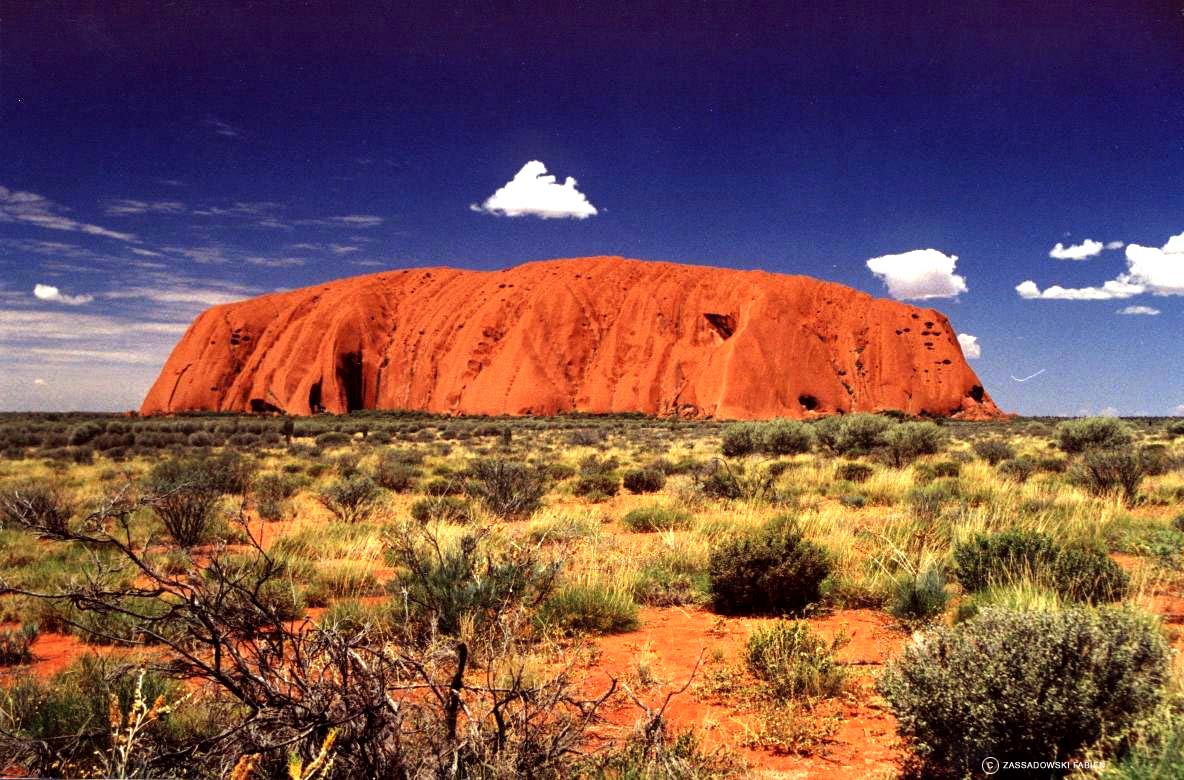
http://yesofcorsa.com/wp-content/uploads/2016/09/Australia-Best-Wallpaper.jpg

https://clipground.com/images/australia-clipart-8.jpg
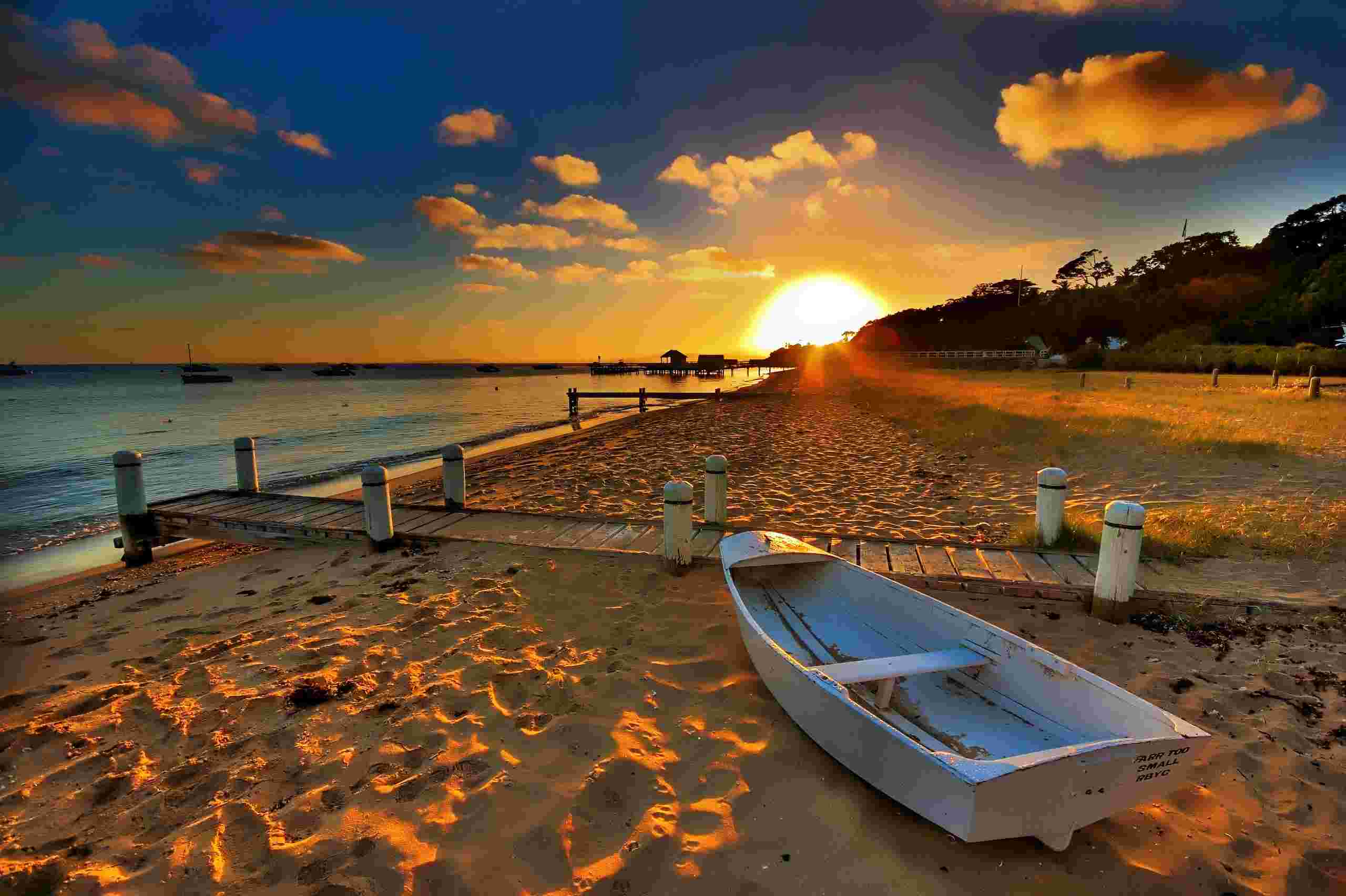
https://wonderfulengineering.com/wp-content/uploads/2015/05/Australia-wallpaper-5.jpg
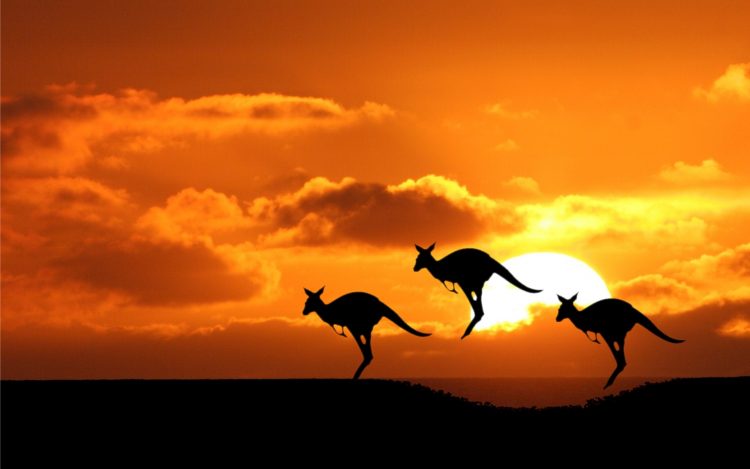
http://moneyinc.com/wp-content/uploads/2016/04/australia-widescreen-new-hd-wallpapers-free-download-750×469.jpg
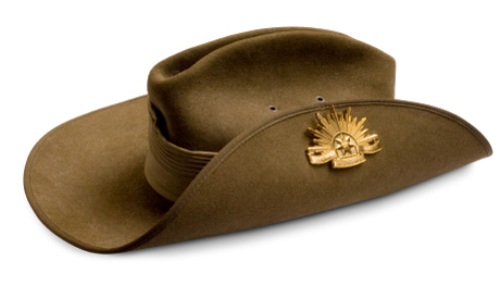
https://4410online.school.blog/wp-content/uploads/2019/08/3a0f4-6.jpg
Students may also find images of Australian icons represented through people, sports, or food.
This activity is about students recognizing what they see as their national identity through images.
Within the groups, ensure students have discussions about why they believe certain images may or may not be used. Every student may have a differing opinion, and that is great, as it will create discussion.
Put the posters on the walls of the classroom for students to look at throughout the unit, so they can have a visual understanding of what they see as their national identity.
As a class, watch the following YouTube clip of Dorothea Mackellar reading her famous Australian poem “My Country”. Pay attention to the images used to convey her message. Make notes on what images, messages and meanings you find.
What intonation, speed, and emotion did Dorothea use when reading her poem? How did you feel when listening to her poem and seeing the images she used? Why?
Did anyone notice a contrast between the opening images of England:
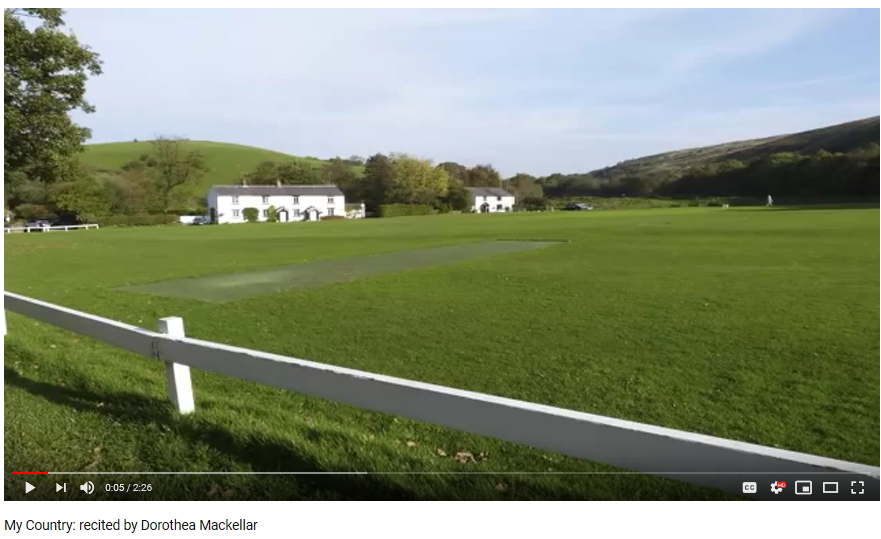
“The love of field and coppice,
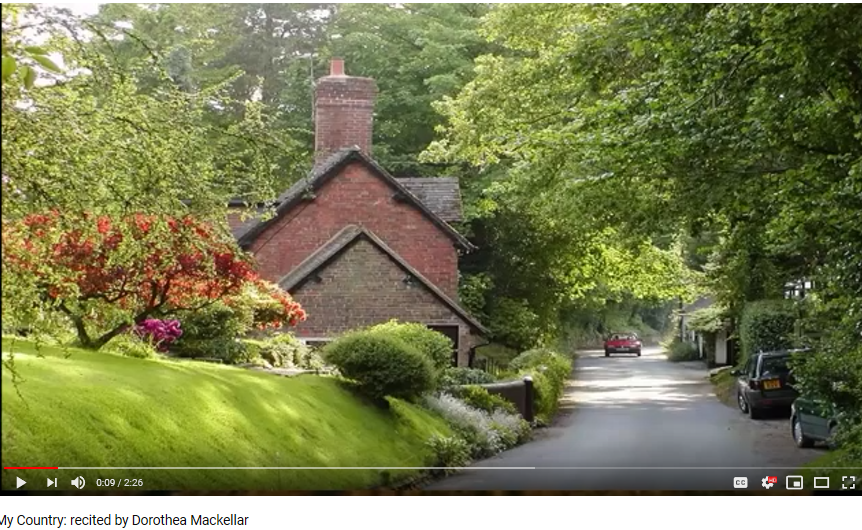
Of green and shaded lanes.
Of ordered woods and gardens
Is running in your veins,
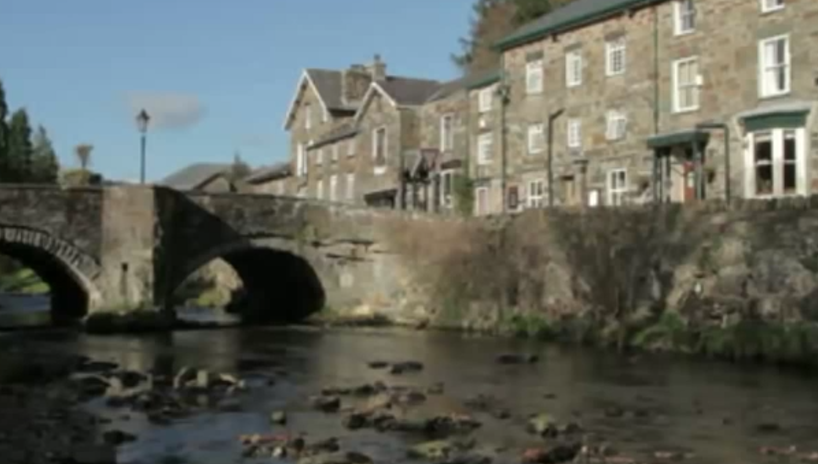
Strong love of grey-blue distance
Brown streams and soft dim skies
I know but cannot share it,
My love is otherwise.” (Mackellar, 1911)
What is Mackellar referring to in this opening stanza?
How does she feel about England?
What words convey this emotion?
Compared to the words and images she uses for Australia:
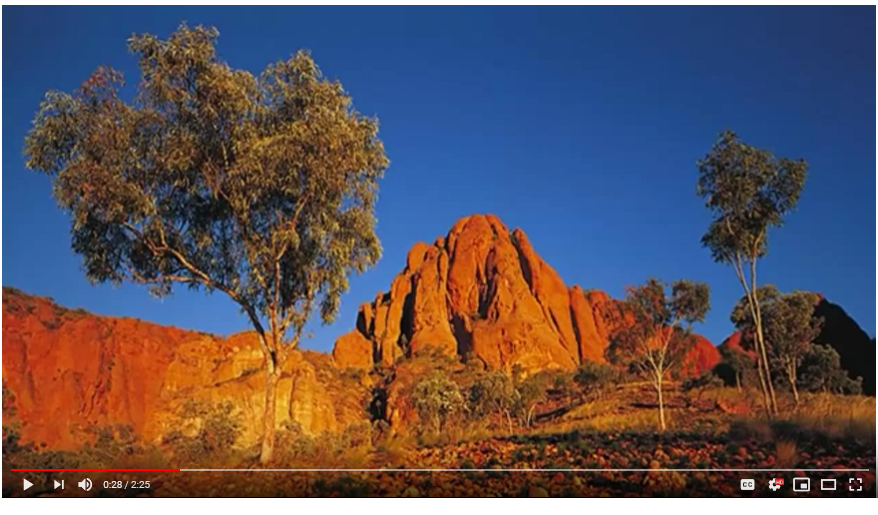
“I love a sunburnt country,
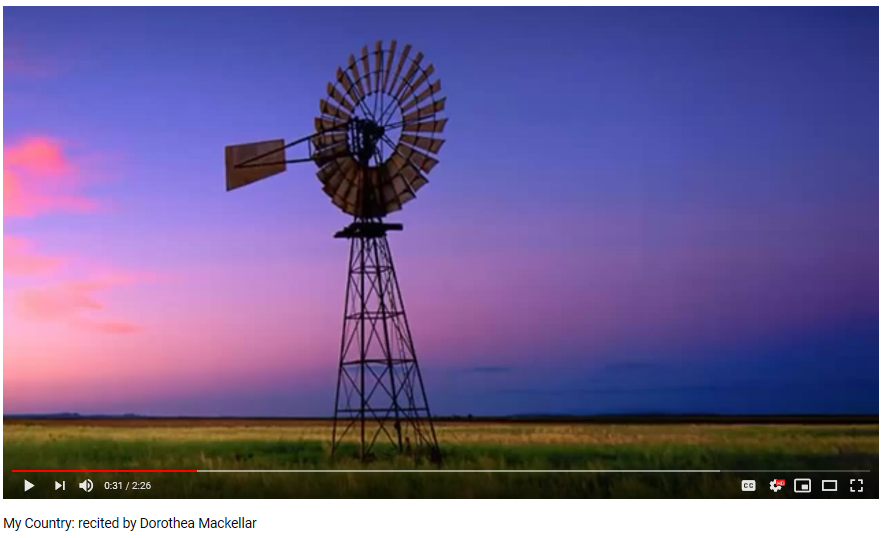
A land of sweeping plains,
Of ragged mountain ranges,
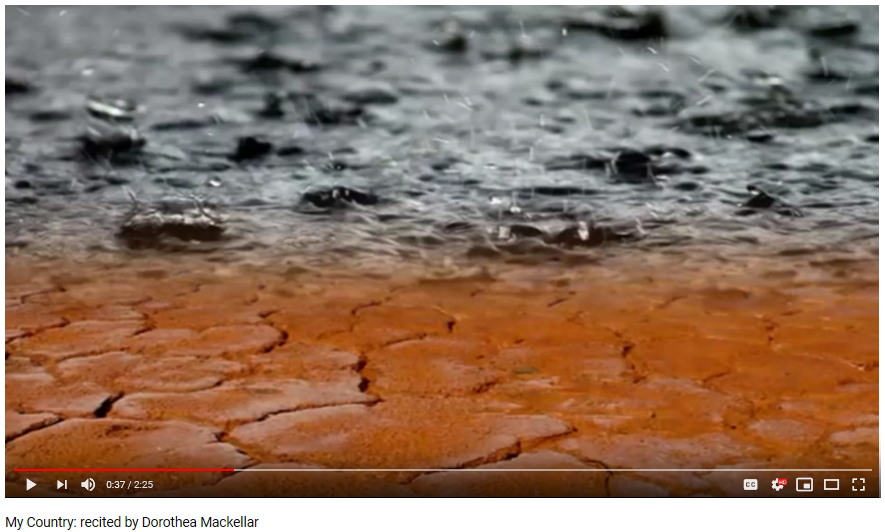
Of droughts and flooding rains” (Mackellar, 1911).
What contrasts did you see and hear?
Ask students to make notes while watching: what effects are created when listening and watching the images in the video? What elements are evident?
Think about the intonation, pausing, punctuation, clause and rhythm. What emotional response is created through the use of voice in this recording?
Do the images help you understand the meaning of her poem?
What do you think is the message of her poem?
Was everything she said about Australia positive? Why/Why Not?
Working in pairs, discuss the meaning of the poem. Analyse the images used and what message Mackellar is trying to share.
Now as a class watch this recording of the very famous poem “The Man from Snowy River” by Banjo Paterson, making notes on the images, messages and what you believe this poem and its accompanying images say about our national identity:
Paterson (1896)
Ask students to make notes while watching: what effects are created when listening and watching the images in the video? What elements are evident?
Think about the intonation, pausing, punctuation, clause and rhythm. What emotional response is created through the use of voice and imagery in this recording?
Did the use of voice and imagery make the poem easier to understand? Why?
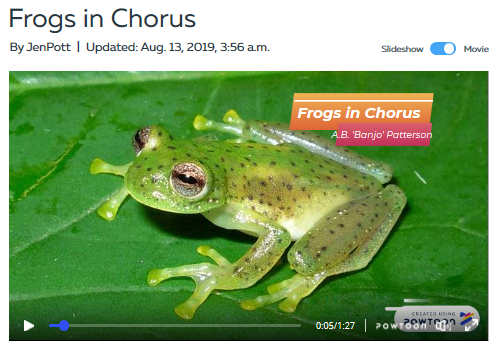
Instruct students to watch the following Powtoon video I created using Banjo Paterson’s “Frogs in Chorus”.
https://www.powtoon.com/c/c5jxOooDzWT/1/m
This Powtoon was created to demonstrate how individual lines and stanzas can be interpreted using imagery and symbolism. By breaking a poem into smaller sections, and adding images or sound, readers can develop a deeper understanding of the poem and its meaning, developing the skill and disposition needed to analyse and understand the philosophical, moral, political and aesthetic bases on which many texts are built.
Students can now create their own video through www.powtoon.com using the poem they created in the second activity in this Literacy as Languages in Use unit.
Students are to create a presentation of their poem to share with the class. They can do this as a power-point presentation or a video using an application such as www.powtoon.com . This will be completed over the remainder of this lesson and the next lesson.
Using the language devices within the poems, find images, words, sounds, or characters that assist to tell the story of their poem. (If students were away for the poetry writing activity and do not have a poem of their own to work with, they may choose an Australian poem from https://www.poetrylibrary.edu.au/ ) The students will then present their creations to the class. Class members are to make notes during each performance and listen for the literary devices and examine the chosen images to determine what emotional responses these devices evoked from the audience.
References
Australian Curriculum, Assessment and Reporting Authority, (2019). Australian Curriculum: English Syllabus F-10. Retrieved 6th August 2019 from https://www.australiancurriculum.edu.au/f-10-curriculum/english/
“Banjo’s poem” Retrieved from https://youtu.be/hlKptiofy9w.
Mackellar, D. (1911). “My Country”, The Closed Door and Other Versus”. Retrieved 14th August 2019 from http://www.dorotheamackellar.com.au/archive/mycountry.htm
Paterson, A.B. (1896). “The Man from Snowy River”, The Man from Snowy River and other Verses. Retrieved 13th August 2019 from https://www.poetrylibrary.edu.au/poets/paterson-a-b-banjo/the-man-from-snowy-river-0001004
Paterson, A.B. (1933) “Frogs in Chorus”, The Animals Noah Forgot. Retrieved 13th August 2019 from https://www.poetrylibrary.edu.au/poets/paterson-a-b-banjo/frogs-in-chorus-0023001
 Literacy as Language in Use