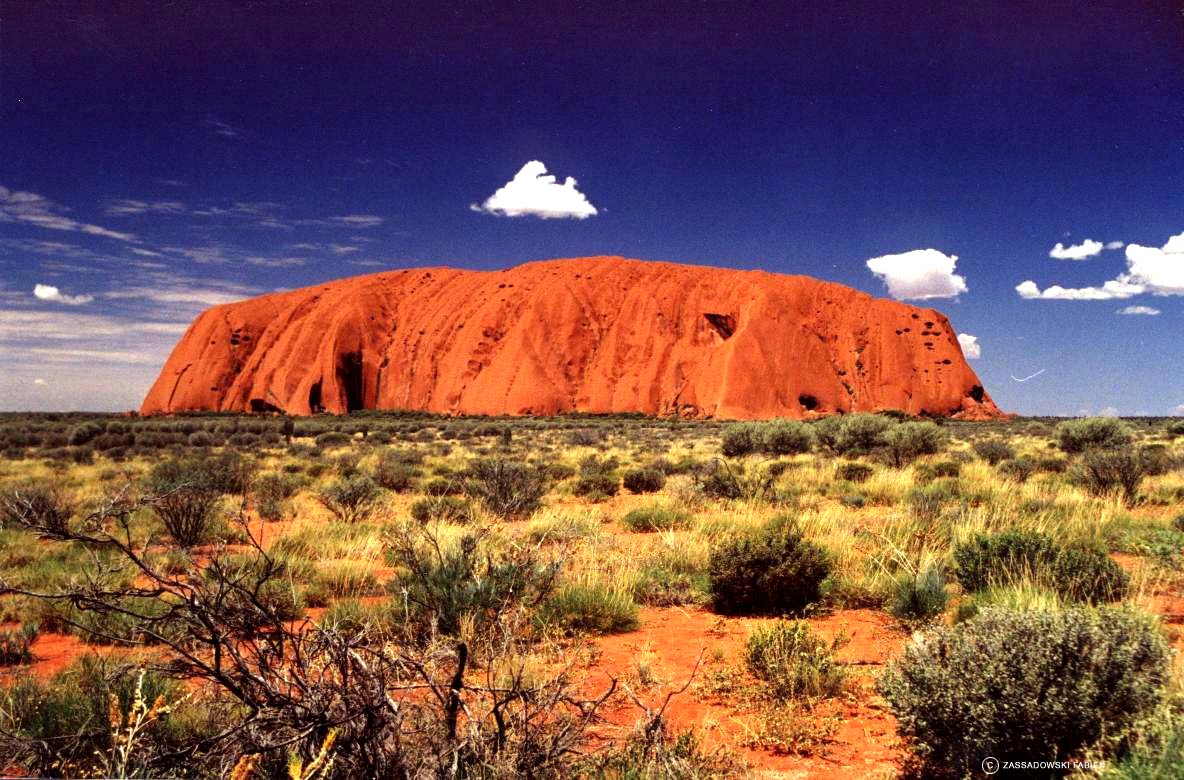
Welcome fellow teachers! This online resource has been created to assist Pre-Service teachers in understanding the Australian Curriculum requirements of “Language as Literacy in use” as outlined in the Australian Curriculum and Reporting Authority (ACARA), 2019. The following activities will focus on the Year 9 unit of Australian Poetry and how to incorporate the key ideas of Language as Literacy in use with the relevant content descriptors for Year 9 English. This online resource will guide you through a series of activities that directly connect with the four key ideas of literacy and Year Nine Curriculum requirements. A rationale will also be provided to justify the activities chosen and how they align with the Australian Curriculum requirements in language and literacy.
Learning Activity One will guide teachers and students through the following Australian Curriculum (ACARA, 2019) requirements:
An expanding vocabulary and grasp of grammatical and textual patterns sufficient to understand and learn from texts encountered in and out of school.
This directly coincides with Year 9 English Content Descriptor:
ACELT1637: • Investigate and experiment with the use and effect of extended metaphor, metonymy, allegory, icons, myths and symbolism in texts, for example poetry, short films, graphic novels, and plays on similar themes.
Learning Activity Two will connect with the key theme:
2. Fluency and innovation in listening to, reading, viewing and creating texts for different purposes and contexts
This activity coincides with the Year 9 English Content Descriptor:
ACELT1634:
Reflect on, discuss and explore notions of literary value and how and why such notions vary according to context
Learning Activity Three connects to the third key theme:
3. The skill and disposition needed to analyse and understand the philosophical, moral, political and aesthetic bases on which many texts are built.
This activity relates to the Year 9 English Content Descriptor:
ACELA1650:
Analyse and explain the use of symbols, icons and myth in still and moving images and how these augment meaning
The final Learning Activity will connect with the fourth key theme:
4. An interest in expanding the range of materials listened to, viewed and read, and in experimenting with ways of expressing increasingly subtle and complex ideas to create effective and innovative texts.
Relating to Content Descriptor:
ACELY1740:
Listen to spoken texts constructed for different purposes, for example to entertain and to persuade, and analyse how language features of these texts position listeners to respond in particular ways
As you navigate this page, click on each activity heading at the top or bottom of the page to open the individual activities. Activities will include links to external websites and videos, as well as screenshots to assist teachers in using the provided resources.
This final activity will focus on the Key Idea Component:
“An interest in expanding the range of materials listened to, viewed and read, and in experimenting with ways of expressing increasingly subtle and complex ideas to create effective and innovative texts” (ACARA, 2019).
This connects to the Year 9 English Content Descriptor:
ACELY1740:
” Listen to spoken texts constructed for different purposes, for example to entertain and to persuade, and analyse how language features of these texts position listeners to respond in particular ways” (ACARA, 2019).
Now students have an in depth knowledge about the basis of Australian Poetry, its vocabulary, application, meaning and messages, it is time for them to expand the range of materials they listen to, view and read, and experiment with ways of expressing increasingly subtle and complex ideas to create effective and innovative texts.
This activity will focus on moving beyond traditional Australian bush poetry and poetry from the past, and focus on where poetry is situated in the present and where it will be going in the future.
Ask students if they know of any forms of poetry they might listen to on a daily basis. Play a game of Pass the Pen, where students take a whiteboard marker and write different forms of poetry on the board.
Some students may say the obvious poems already discussed through the unit, and “I only do poetry in English class because I have to”. Whereas other students may recognise that poetry surrounds them within greeting cards, music, rap, slogans, advertising, debates, and many other forms.
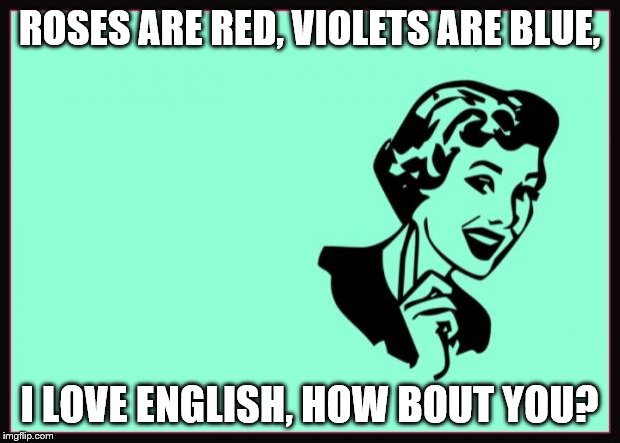
Most students are aware of the ever popular Memes that are created and shared on the internet. In fact, many internet native teenagers communicate online purely through the use of memes and gifs.
As a fun warm up activity, allow students to create a short meme that rhymes (Must be kept school appropriate, and be monitored by the teacher).
They can create their own memes through the following link:
Ask students to download and email their memes to you so you can project them onto the whiteboard for everyone to enjoy.
History of Rap Music:
Hundreds of years before rap music became popular, West African musicians were telling stories rhythmically accompanied by only a drum beat, and folk artists from the Caribbean were telling stories through rhyme. These early poets led the way to what we know today as rap music.
Essentially, rapping consists of chanting or speaking rhyming lyrics to a beat. The rhymes that are created by rappers are often considered to be some of the most sophisticated forms of poetry that exist, and are often used to convey socio-political messages (Plastic Little Raps, 2019).
Australian rapper, Adam Briggs is a proud Yorta Yorta man who began his solo career in 2009 then teamed up with Ngarrindjeri performer Trials in 2016 to form A. B. Original, a hip-hop duo that tackles Indigenous politics head on, helping to make Briggs one of the most influential and respected Aboriginal voices in the country (Smith, 2018).
As a class watch the following YouTube clip about A.B. Briggs’ controversial song “January 26”. Make notes on what connections you can see to the message conveyed in this song and the poem and article we studied in Activity Two, and what messages they deliver about Australian and Aboriginal identity and politics.
Australia has a long and volatile history, and not all of it is pretty. Poetry, in all its forms, gives artists a voice to raise awareness, state their opinions and spread the word about our country to the world. Both the good and the bad.
As a class, discuss what symbols, emotions, terms, images, icons and messages they heard and saw within the news report about A.B. Briggs’ song.
(Do not look up and play the full uncensored version of the song in class as it contains swearing and language that is not appropriate for school. This news article has been censored and plays enough of the song for students to understand the message).
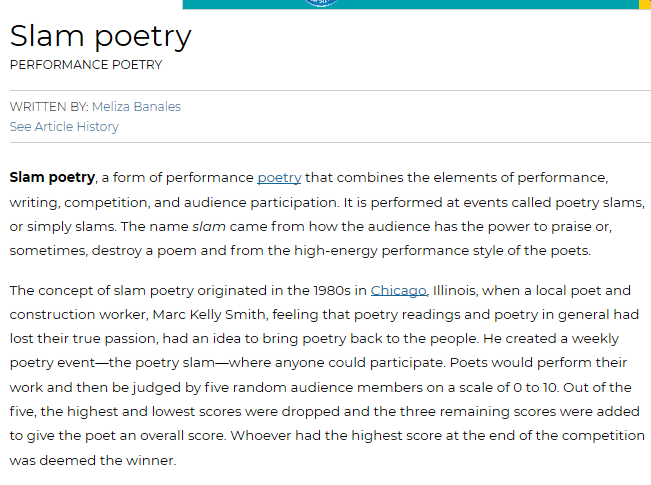
Another form of poetry that is becoming more popular is Slam Poetry.
Banales, 2013
The rules of Slam poetry include the fact that any race, gender, age, sexuality, education, class or disability can compete without discrimination. Poems can be about anything the poet desires, but are usually about the creation of the performer.
Poems are to be kept under 3 minutes in length or points are deducted; the performer may not use props or accompanying music; however, they can use their mouth or body parts to make additional sounds, and they may perform solo or in a group (Banales, 2013).
Watch the following YouTube clip of the youngest winner of the Australian Slam Poetry Competition, 12 year old Solli Raphael:
Students need to think about the intonation, speed and
emphasis that Solli used in his slam. Make notes about what you think was
effective, and why. Instruct students to discuss what they thought and felt.
Students are now to create their own version of slam
poetry.
Herein, find a rag-tag, eclectic, profane, and/or banal list of
ideas, phrases, and topics to inspire the generation of poetry.
My
job sucks/rules because . . . (inspired by “Office Space,” “Clerks,” and
the warrant officer position in “Alien”)
Sometimes,
I wish I could remember . . . (inspired by Leonard Shelby and
the Nolan brothers)
Sometimes,
I wish I could forget . . . (also inspired by Leonard Shelby and
the Nolan brothers)
What
does religion mean to me? (inspired by religions)
Tell
Me Something New About Love
On
the last day before the end of the world, I will . . . (inspired by “Last
Night” by Don McKellar)
You
have been given a direct order to . . . (inspired by Anis Mojgani)
My
Fondest Memory
What
I hate the most is . . . (inspired by cookies full of hate)
At
my first poetry slam, I . . . (inspired by many of the poets who
participated in CYHMN? 2014)
The
First Day of School (inspired by Ice Cube)
After
the Zombies (inspired by zombie video games, zombie movies, zombie
toothbrushes, zombie rap stars, etc.)
If
the whole world was listening, I would say . . .
Life
is like a . . . (inspired by something Mama always used to say)
The
best music is . . .
My
Favourite Vacation (inspired by “National Lampoon’s Vacation” – “Holiday
roa-oa-oa-ooooaaa-ooaa-oa-oa-oad”)
When
We Were Young/Remember When (inspired by The Killers and Skid Row)
I
write poetry because . . .
The
Problem with Teenagers Today (inspired by adults)
The
Problem with Adults Today (inspired by teenagers)
The
Problem with People Today (inspired by adults and teenagers)
As
I walk school hallways, I think about . . . (inspired by LBHS)
I
am the face of a generation that . . . (inspired by Allen Ginsberg and
Dove commercials)
If
I was Prime Minister for a day, I would . . . (inspired by Stephen Harper)
People
made fun of me because . . . (topic suggested by Ashley Eyles)
I
am grateful for . . . (topic suggested by Ashley Eyles)
Each student is to present their 3 minute slam poetry presentation and receive peer feedback.
Summarise Learning:
Students should have now developed an interest in expanding the range of materials listened to, viewed and read, and in experimenting with ways of expressing increasingly subtle and complex ideas to create effective and innovative texts, through their Australian poetry unit. Exploring Aboriginal poetry, bush poetry, rap music and slam poetry as well as engaging with a variety of texts and applications, students will now have an in-depth knowledge of Literacy as Language in Use.
Activity Three connects with the Key Idea component:
“The skill and disposition needed to analyse and understand the philosophical, moral, political and aesthetic bases on which many texts are built” (ACARA, 2019).
This can be related to the Year 9 English Content Descriptor:
ACELA1560:
” Analyse and explain the use of symbols, icons and myth in still and moving images and how these augment meaning ” (ACARA, 2019).
Through this activity, students will explore the use of images, icons and myth used in still and moving pictures connected with Australian Identity within Australian poetry and how they create meaning within the texts.
To begin the activity, the students are to create a collage of what they believe are “Australian Images”.
Have 4 tables set up
with large sheets of cardboard, magazines, scissors and glue.
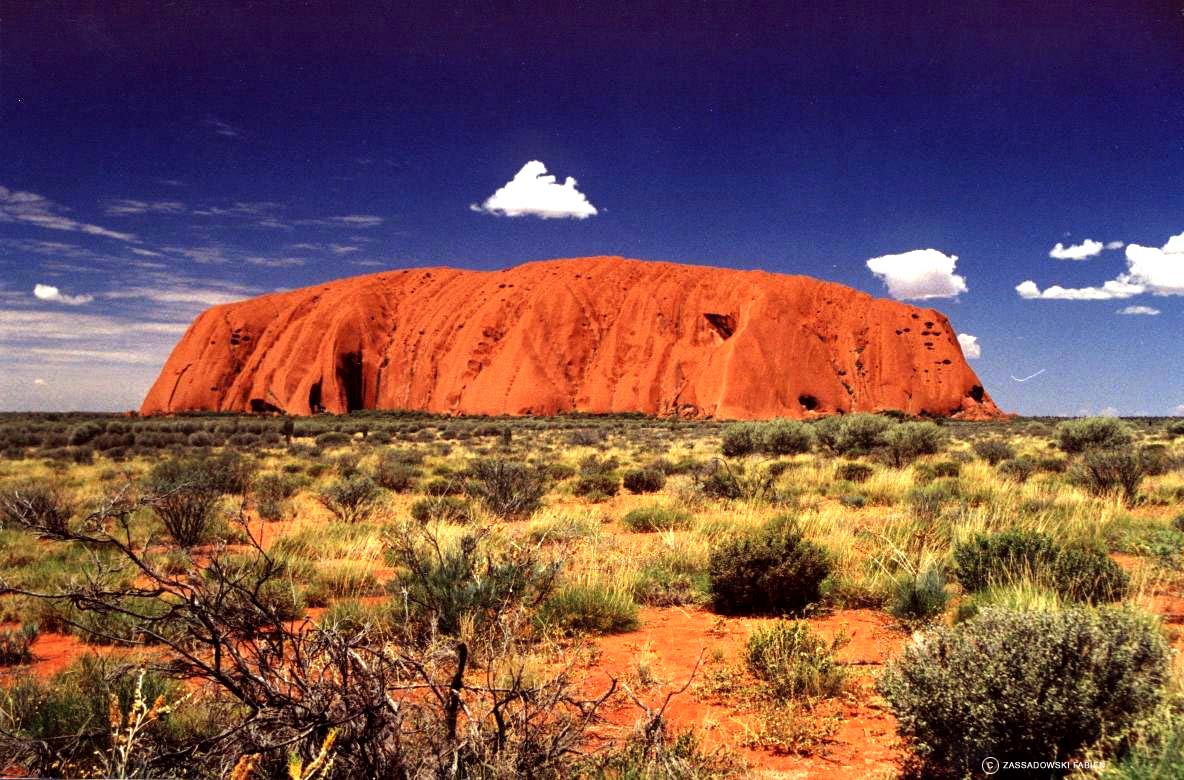
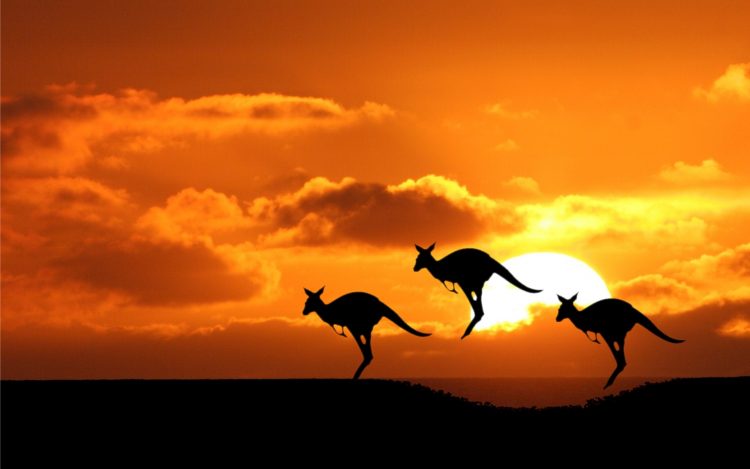
Students are to work in small groups to create a collage of images and words that come to mind when they think “Australia” or “Australian Images”. They may also look for images on the internet to print and include in their collages. Examples of some images that may be used:
Students may also find images of Australian icons represented through people, sports, or food.
This activity is about students recognizing what they see as their national identity through images.
Within the groups, ensure students have discussions about why they believe certain images may or may not be used. Every student may have a differing opinion, and that is great, as it will create discussion.
Put the posters on the walls of the classroom for students to look at throughout the unit, so they can have a visual understanding of what they see as their national identity.
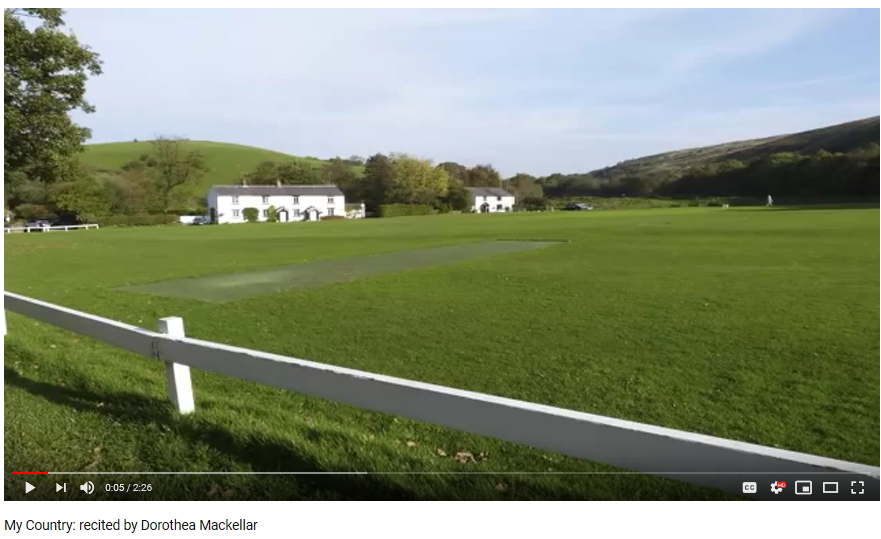
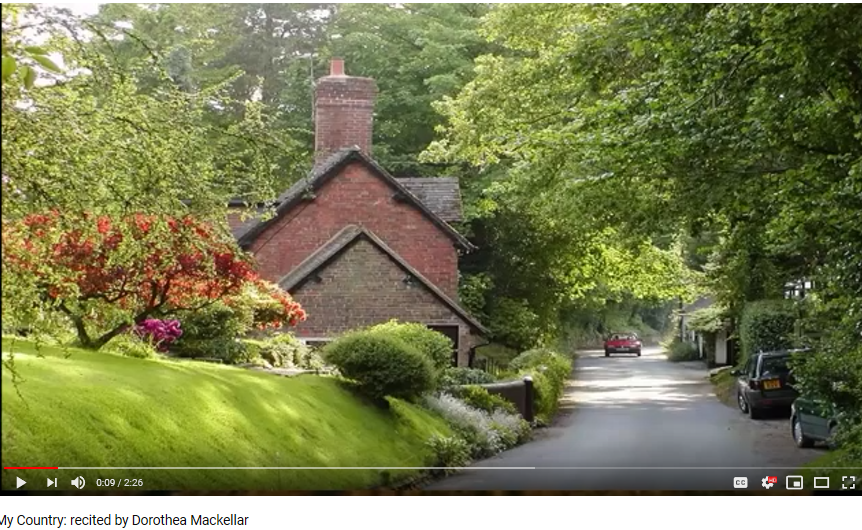
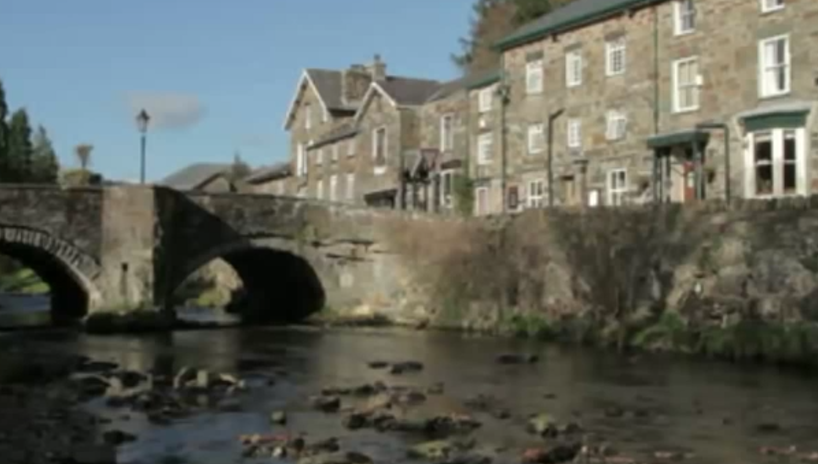
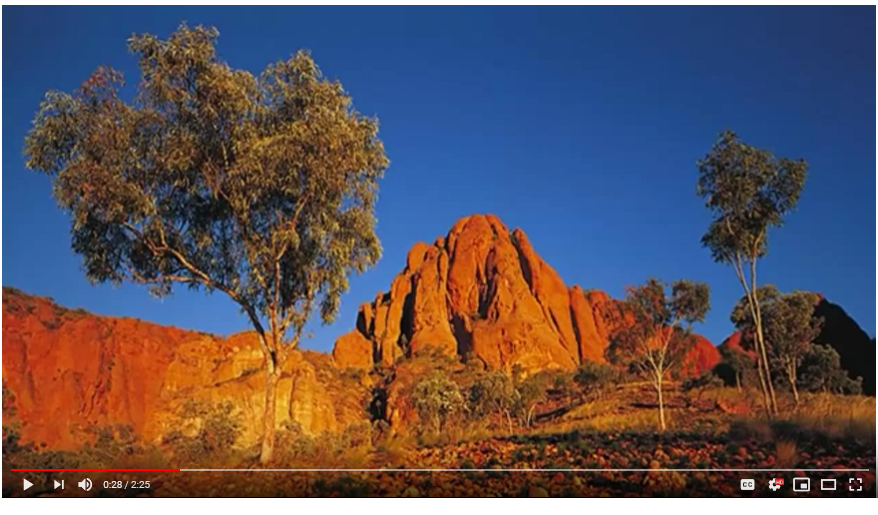
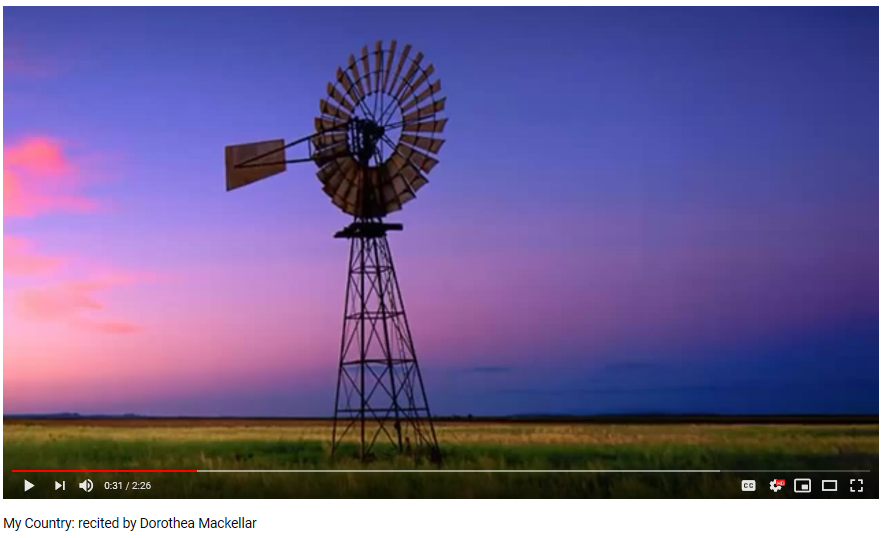
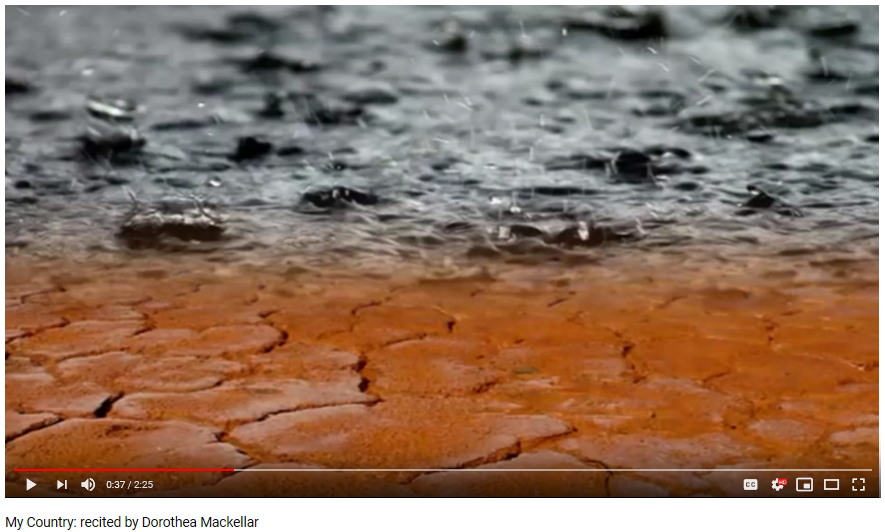
As a class, watch the following YouTube clip of Dorothea Mackellar reading her famous Australian poem “My Country”. Pay attention to the images used to convey her message. Make notes on what images, messages and meanings you find.
What intonation,
speed, and emotion did Dorothea use when reading her poem? How did you feel
when listening to her poem and seeing the images she used? Why?
Did anyone notice a contrast between the opening images of England:
“The love of field
and coppice,
Of green and shaded
lanes.
Of ordered woods and
gardens
Is running in your
veins,
Strong love of
grey-blue distance
Brown streams and
soft dim skies
I know but cannot
share it,
My love is otherwise.” (Mackellar, 1911)
What is Mackellar referring to in this opening stanza?
How does she feel about England?
What words convey this emotion?
Compared to the words and images she uses for Australia:
“I love a sunburnt country,
A land of sweeping
plains,
Of ragged mountain ranges,
Of droughts and flooding rains” (Mackellar, 1911).
What contrasts did
you see and hear?
Ask students to make notes while watching: what effects are created when listening and watching the images in the video? What elements are evident? Think about the intonation, pausing, punctuation, clause and rhythm. What emotional response is created through the use of voice in this recording?
Do the images help
you understand the meaning of her poem?
What do you think is
the message of her poem?
Was everything she said about Australia positive? Why/Why Not?
Working in pairs, discuss the meaning of the poem. Analyse the images used and what message Mackellar is trying to share.
Now as a class watch this recording of the very famous poem “The Man from Snowy River” by Banjo Paterson, making notes on the images, messages and what you believe this poem and its accompanying images say about our national identity:
Ask students to make notes while watching: what effects are created when
listening and watching the images in the video? What elements are evident?
Think about the intonation, pausing, punctuation, clause and rhythm. What emotional response is created through the use of voice and imagery in this recording?
Did the use of voice and imagery make the poem easier to understand? Why?
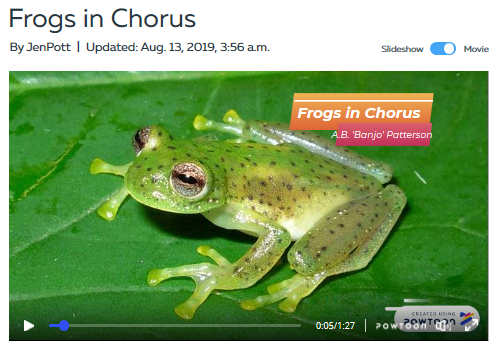
Instruct students to watch the following Powtoon video I created using Banjo Paterson’s “Frogs in Chorus”.
This Powtoon was
created to demonstrate how individual lines and stanzas can be interpreted
using imagery and symbolism. By breaking a poem into smaller sections, and
adding images or sound, readers can develop a deeper understanding of the poem
and its meaning, developing the skill and disposition needed to analyse and
understand the philosophical, moral, political and aesthetic bases on which
many texts are built.
Students can now create their own video through www.powtoon.com using the poem they created in the second activity in this Literacy as Languages in Use unit.
Students are to
create a presentation of their poem to share with the class. They can do this
as a power-point presentation or a video using an application such as www.powtoon.com . This will be completed over the remainder
of this lesson and the next lesson.
Using the language devices within the poems, find images, words, sounds, or characters that assist to tell the story of their poem. (If students were away for the poetry writing activity and do not have a poem of their own to work with, they may choose an Australian poem from https://www.poetrylibrary.edu.au/ ) The students will then present their creations to the class. Class members are to make notes during each performance and listen for the literary devices and examine the chosen images to determine what emotional responses these devices evoked from the audience.
This Activity relates to the second Key Idea within Literacy as Languages in Use:
Fluency and innovation in listening to, reading, viewing and creating texts for different purposes and contexts (ACARA, 2019).
This can be related to the Year 9 English Content Descriptor:
ACELT1634:
Reflect on, discuss and explore notions of literary value and how and why such notions vary according to context (ACARA, 2019).
Students are
required to develop fluency and innovation in listening to, reading, viewing
and creating texts for different purposes and contexts. This can be done
through reflecting on, discussing, and exploring notions of literary value
within poetry and how and why such notions vary according to context.
Teacher’s Notes:
Many students often
complain when studying poetry that they don’t understand what is being said, as
the rhyming and language used can be confusing.
It is important that
students overcome these hurdles and develop a fluency when listening to, reading,
viewing and creating texts for different purposes and contexts. Discuss as a
class how we can determine the meanings within poetry by looking at settings,
characterisation, themes, structure and language devices.
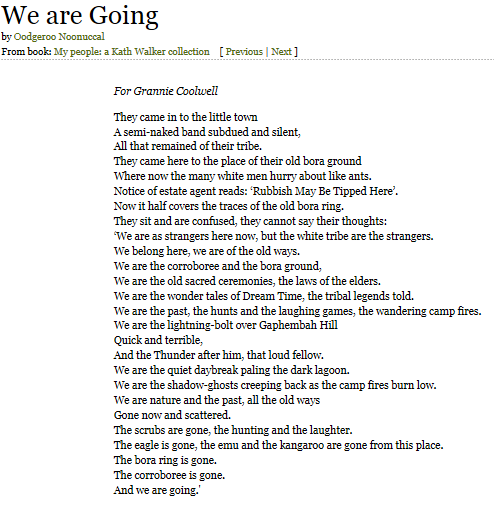
Ask students to read the following poem:
(Noonuccal, 1970)
Students are to make
notes on how this poem made them feel. What language choices evoked those
emotions? Share with the person next to you. Then share with the class.
Write the key terms,
language devices and emotions on the board so all students can connect the
language choices and emotions.
This poem is full of
extended metaphors. Ask students to highlight at least one example of an
extended metaphor, and what it represents: what message is the author trying to
convey to her readers? Discuss findings as a class.
Eg.
“We are the
corroboree and the bora ground,
We are the old
sacred ceremonies, the laws of the elders,
We are the wonder
tales of Dream Time, the tribal legends told.
We are the past, the hunts and the laughing games, the wandering camp fires” (Noonuccal, 1970).
The people are not
physically the corroboree and the bora ground; however, they represent all
these sacred traditional places and symbols of their race that are being
destroyed by the white people.
The poem conveys a
message of loss and regret where the Aboriginal people’s old ways have been
destroyed, the animals have left the sacred spaces and their connection to the
land has been broken through the arrival of the white man, scurrying around
like ants.
What meanings could
the statement ‘rubbish may be tipped here’, have? Are they referring to the
Aboriginal people as rubbish? Or the white men’s disregard and disrespect for
the land and their complete lack of understanding of the symbolic and
ceremonial importance of the site they are destroying? What effect does this
language have on the reader?
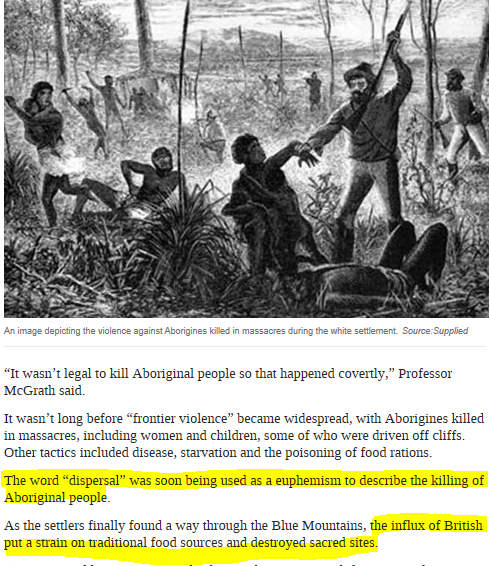
Read the following article from news.com.au about What Life was Like for Aboriginal People During Colonisation:
Ask students to highlight passages of the article that echo with the poem.
Example:
It is important that
students understand that many poems are based on the lives of the authors or
their ancestors. Many times, they are auto-biographical, and can be used to
tell a story, promote change, or increase awareness around a political or
social issue.
Apply Knowledge:
Students are now to
create their own short poem using a variety of literary devices to evoke an
emotional response in their reader. It does not need to rhyme but must contain
at least 3 of the previously discussed elements: Metaphor, Extended Metaphor,
Metonymy, Allegory, Icons, Myths
and Symbolism.
When deciding how to
structure your poem, you will need to think about your line length,
arrangement, rhythm, line breaks and speed. These decisions will depend on the
theme of your poem and what it is about.
To get started, jot
down all your ideas, let your creativity flow.
Once you have a
basic plan, put it into order and work on the structure and form.
Experiment with
changes, try changing the line length or the order of ideas, and see what
affect they have on the emotions created.
When creating your
poem, consider the following questions:
What is the poem about?
What mood or feelings do I want my reader to have?
What speed do I want the poem to move? Should it speed up or slow down at any point?
What phrases or
words do I want to stand out?
The more poems you read and write, the easier it becomes. These poems will be used in other activities, so ensure they are completed within a deadline. They may have one lesson to work on them during class time, and they must be completed for homework before the next activity begins.
Confirm Knowledge
Summarise the learning, and confirm students’ ability to listen to, view, read and create texts for different purposes and contexts. Ensure students are aware that their poem will be required for a future activity so it must be completed for homework if they are not yet finished
This activity is the first in the Literacy as Language in Use Key Ideas:
“An expanding vocabulary and grasp of grammatical and textual patterns sufficient to understand and learn from texts encountered in and out of school” (ACARA, 2019).
This idea can be connected through Year 9 English Content Descriptor:
ACELT1637:
” Investigate and experiment with the use and effect of extended metaphor, metonymy, allegory, icons, myths and symbolism in texts, for example poetry, short films, graphic novels, and plays on similar themes” (ACARA, 2019).
Students in Year 9 English are expected to obtain an expanding vocabulary and grasp of grammatical and textual patterns that are sufficient to understand and learn from texts encountered in and out of school. This is done through investigating and experimenting with the use and effect of extended metaphor, metonymy, allegory, icons, myths and symbolism in texts. This activity will explore the identification and understanding of these language devices within Australian Poetry.
Prior Knowledge:
Students have already learnt about Metaphor,
Extended Metaphor, Metonymy, Allegory, Icons, Myths and Symbolism. However,
before applying the use of literary devices within their poetry unit, it is
advised to begin the lesson with a warm up activity to confirm and refresh the
students’ prior knowledge of literary devices.
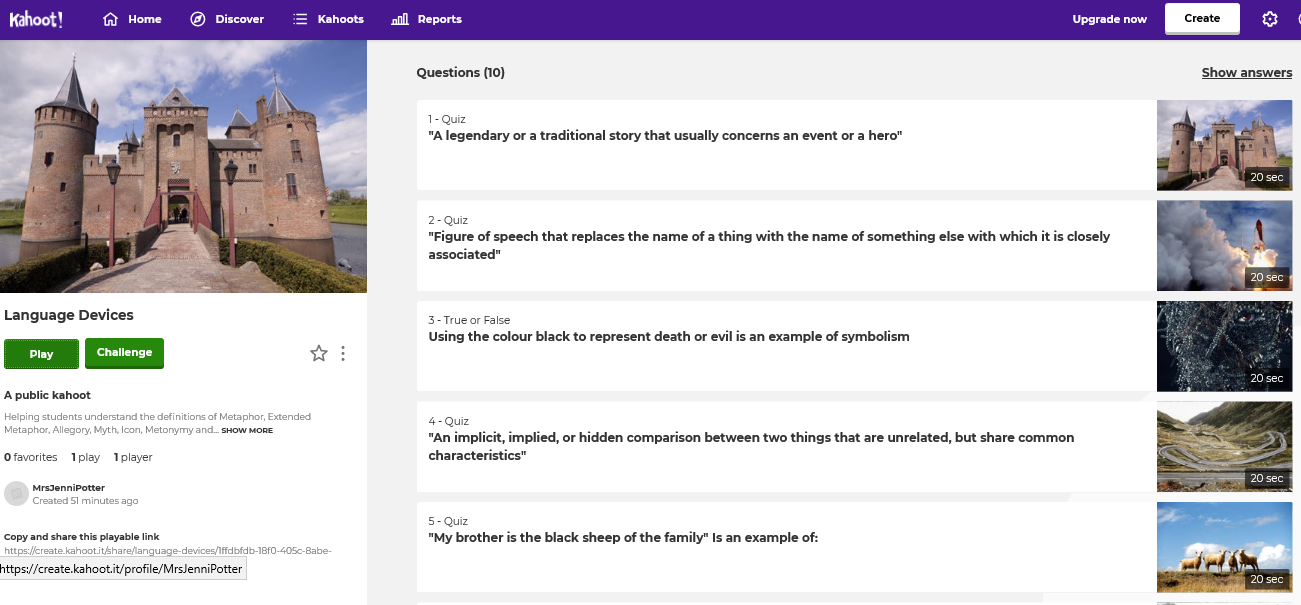
This can be done through the following game
of Kahoot:
Open this link on your computer and project your
screen onto the board in the classroom:
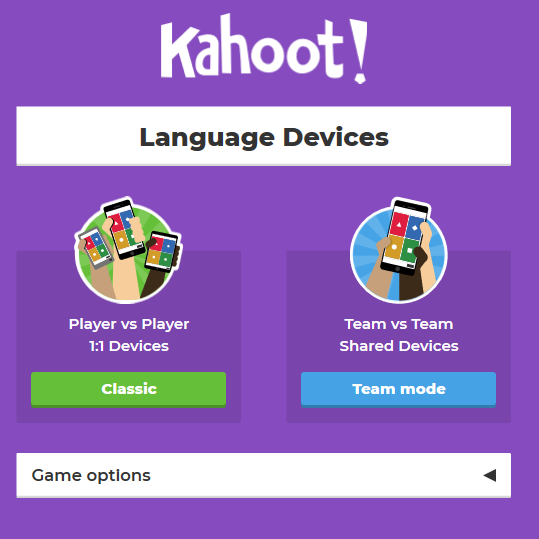
When you click “Play”, a separate screen will open which appears like this:
Click on “Player vs Player
1:1 Devices Classic”
Ask Students to open
www.kahoot.it or the Kahoot! app on their devices and log
in using the game ID provided on your screen.
It will appear like
the below image: (Ensure you use the game pin provided on your live link, not
the one in the image below).
Once all students have logged in, you can start the game. It is a fast-paced learning environment that allows students to be competitive while confirming their prior knowledge.
It is recommended
that you read the questions and answer options aloud to ensure all students can
take part in the activity and are not disadvantaged by an inability to read
quickly.
Applying Knowledge:
Now that students
have had their prior knowledge refreshed and confirmed, it is time to apply
that learning through recognising these devices within the chosen literature.
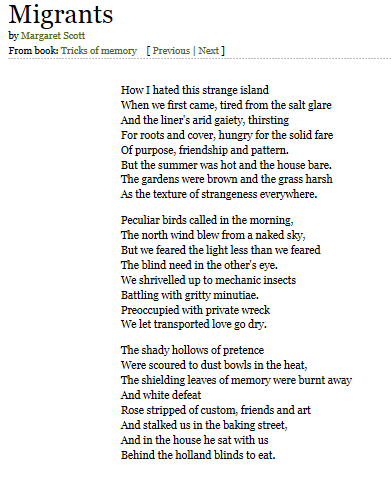
Project the following poem onto the board and read it out loud to the students:
(Scott, 1980).
Ask the class to raise their hands to answer the following questions, and write their answers on the board:
What language does
she use to describe the setting? What emotions does this convey?
Who is the main
character? How does she feel about coming to Australia?
What language devices can you see?
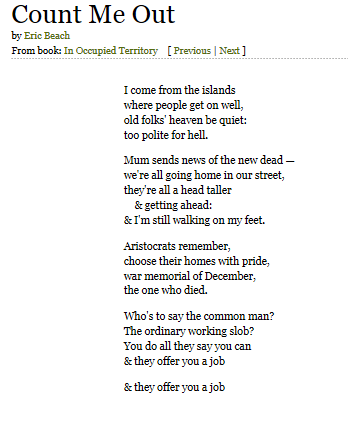
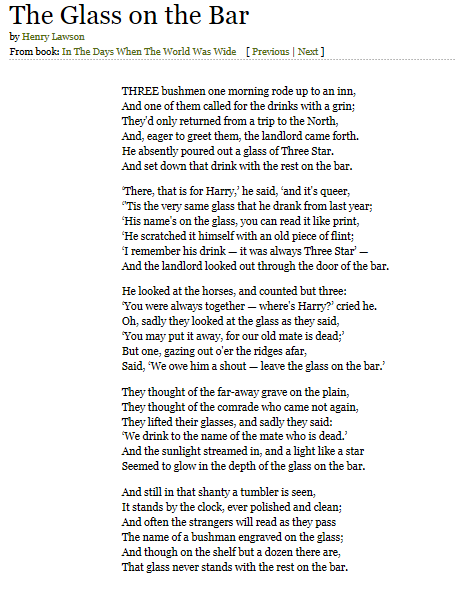
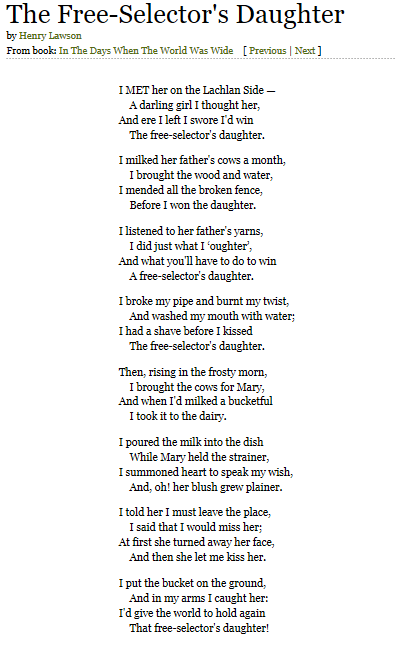
Students are now instructed to work in groups of two to determine the meanings, settings, characters, themes, structures and language devices within one of the following poems:
(Beach, 1977).(Lawson, 1900)(Lawson, 1900)
Each pair is to create a short oral presentation where they will read their chosen poem to the class and then discuss their findings regarding meanings, settings, characters, themes, structures and language devices.
Peers are to provide
feedback and alternative findings. This allows students to become accustomed to
receiving and applying peer feedback.
Confirm Knowledge:
It is important that students obtain an expanding vocabulary and grasp of grammatical and textual patterns sufficient to understand and learn from texts encountered in and out of school. By investigating and experimenting with the use and effect of extended metaphor, metonymy, allegory, icons, myths and symbolism in texts, for example poetry, short films, graphic novels, and plays on similar themes, students expand their vocabulary and extend their understanding of a range of texts.